DIPLOMA IN COUNSELLING
September 01, 2025
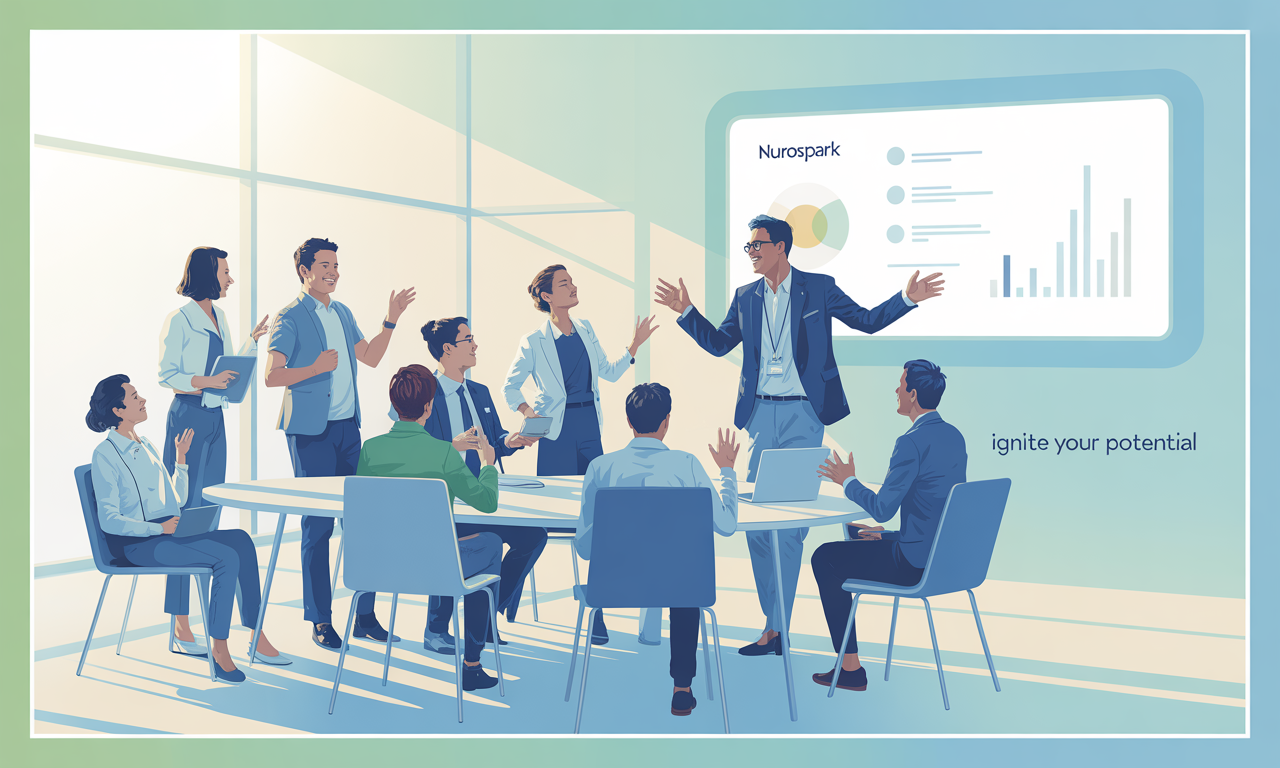
In today's fast-paced organizations, leadership has evolved from authority to adaptability. Good leaders don’t just manage—they inspire, empower, and uplift morale. Here's why versatile leadership styles are more vital than ever and how they transform workplaces.
1. Why Leadership Still Holds the Morale Key
Employee disengagement is on the rise. Recent global data shows that only around 21% of employees are highly engaged—a dip that threatens productivity and innovation. Yet organizations with strong leader-led cultures can reverse this drain and lift engagement rates up to 70% or more. The reason? Supportive leadership is increasingly recognized not just as management, but as a commitment to people’s well-being.
2. Real Results from Leadership Transformation
Consider a mid-sized tech firm that shifted from autocratic leadership to a more transformational style. Within a year, they recorded:
3. Leadership Styles That Inspire (And When to Use Them)
4. Why Emotional Intelligence (EI) Matters as Much as Strategy
5. Culture, Communication & the Ripple Effect
NuroSpark’s Leadership Philosophy: Building Morale with Care
Summary: Leadership Shapes Morale—and the Future
Leadership affects everything—from employee happiness to organizational performance. When leaders connect authentically, adapt thoughtfully, and prioritize their people, morale becomes momentum.
At NuroSpark, we're invested in leadership that uplifts—for today’s challenges and tomorrow’s success.
At NuroSpark, we believe leadership is more than a position—it’s a psychological influence that shapes an organization’s culture. This blog explores how leadership styles, from transformational to democratic, directly affect employee morale. We dive into psychology-driven insights, real-world examples, and practical strategies leaders can adopt to foster motivation, trust, and engagement. Whether you’re a manager, entrepreneur, or aspiring leader, this guide will help you understand the science of leadership and create a thriving workplace where people feel valued and inspired.

September 01, 2025
September 01, 2025

September 01, 2025
September 01, 2025

September 01, 2025