DIPLOMA IN COUNSELLING
September 01, 2025
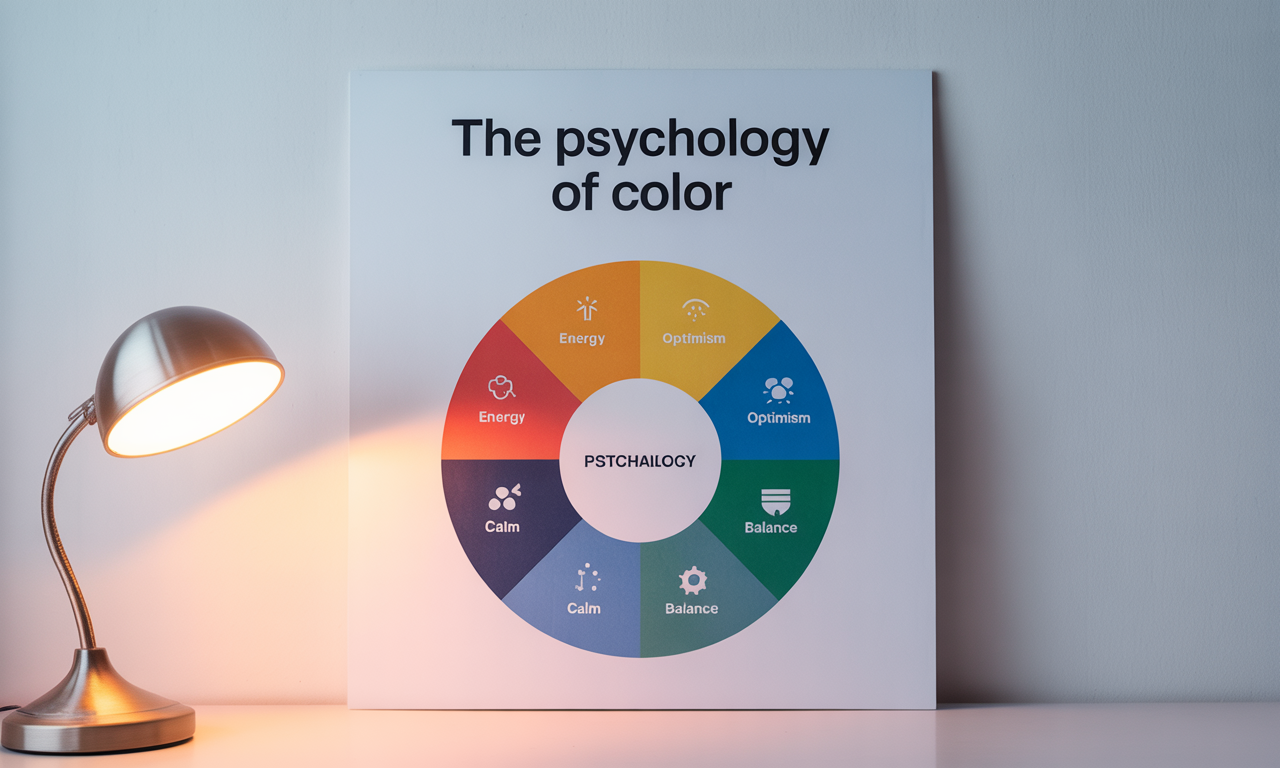
The Psychology Behind Colors
Colors are more than just visual experiences—they influence our emotions, decisions, and even behaviors. From the calming effect of blue to the passion evoked by red, every color carries a psychological weight that shapes how we perceive the world. Marketers, designers, and therapists often use color psychology to create impact, whether it’s building trust with soft hues or energizing the mind with bright shades.
How Colors Affect Our Mind and Mood
Research shows that colors can directly impact mood and mental well-being. For example, green promotes balance and relaxation, yellow sparks optimism, and purple often stimulates creativity and imagination. On the other hand, darker shades like black or gray can sometimes trigger heaviness or melancholy. Being mindful of the colors we surround ourselves with—in clothing, workspace, or even digital screens—can significantly shift our emotional state and productivity.
Using Color Psychology in Daily Life
Understanding the psychology of colors allows us to consciously shape our environments and experiences. Therapists often use color in art therapy to help clients express emotions, while workplaces integrate specific palettes to boost focus and teamwork. Even at home, choosing the right colors for walls, décor, or study materials can foster positivity and calm. Ultimately, colors are silent communicators, and when used wisely, they can become powerful tools for mental and emotional growth

September 01, 2025
September 01, 2025
September 01, 2025
September 01, 2025
September 01, 2025